
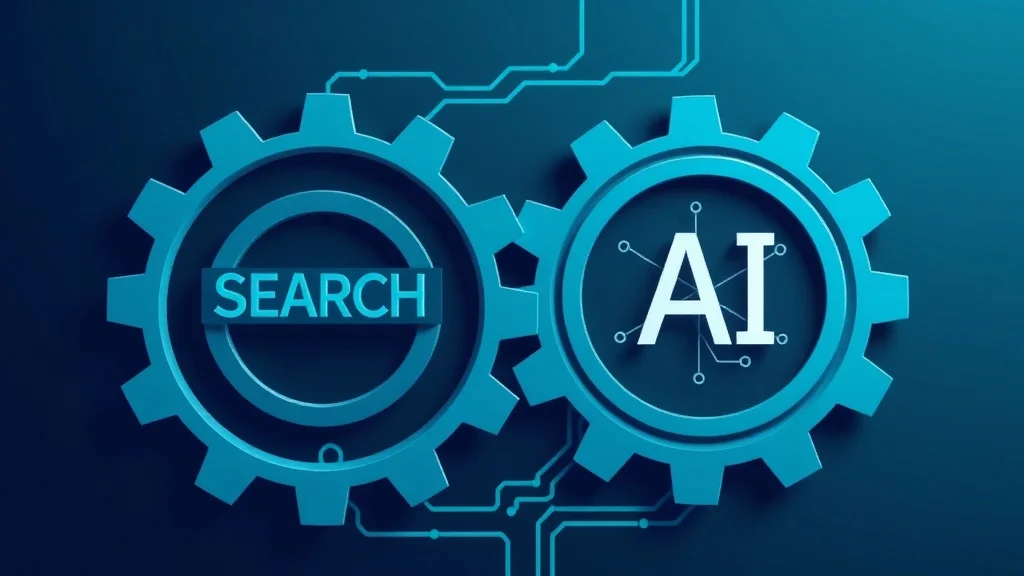
The debate over whether to invest in SEO or GEO is a false choice. The businesses winning search in 2026 are the ones running both simultaneously, using a shared foundation of technical excellence and content quality, with targeted optimizations for each channel. Here's how to build a dual-optimization strategy that maximizes visibility across traditional search results, Google AI Overviews, ChatGPT, Gemini, and Perplexity.
The Shared Foundation: What Powers Both Channels
Roughly 60% of the work that drives SEO results also drives GEO results. Before you differentiate your strategy for each channel, invest deeply in this shared foundation, it's the highest-ROI work you can do because every improvement here lifts both channels simultaneously.
Shared foundation elements
- **Technical site health**, Fast load times, clean crawlability, proper canonical tags, and mobile responsiveness. Both Google's ranking algorithm and AI retrieval systems prefer technically sound sites.
- **Structured data**, LocalBusiness schema, FAQ schema, Review schema, and Service schema help Google understand your content for ranking AND help AI models understand your entity for citation.
- **Google Business Profile**, A complete GBP powers local pack rankings (SEO) and feeds data directly into Gemini and AI Overviews (GEO).
- **Citation consistency**, Consistent NAP data across directories builds domain authority (SEO) and entity trust (GEO) simultaneously.
- **Review management**, Review volume and quality boost local rankings (SEO) and serve as a primary trust signal for AI recommendations (GEO).
- **Quality backlinks**, Authoritative backlinks improve domain ranking (SEO) and increase source credibility in AI retrieval (GEO).
The SEO Layer: What's Unique to Traditional Search
On top of the shared foundation, traditional SEO requires specific optimizations that don't directly affect GEO but remain critical for organic ranking performance:
- **Keyword targeting**, Title tags, meta descriptions, H1 optimization, and keyword density still matter for ranking in the organic list. These have minimal impact on AI citation decisions.
- **Internal linking architecture**, Hub-and-spoke linking patterns boost page authority for SEO. AI models are less influenced by internal link structures.
- **Click-through optimization**, Rich snippets, compelling meta descriptions, and SERP feature targeting drive clicks from organic results. These don't affect AI citation behavior.
- **Google Maps optimization**, Map pack ranking factors (proximity, relevance, prominence) are SEO-specific and remain critical for local visibility.
The GEO Layer: What's Unique to AI Citation
The GEO-specific layer is what makes your content citable by AI models. These optimizations have minimal impact on traditional rankings but are decisive for AI search visibility:
- **Quotability optimization**, Rewriting key statements to be self-contained, specific, and extractable. This is the single highest-impact GEO tactic.
- **Bing indexation**, ChatGPT uses Bing's index, so ensuring your pages are indexed in Bing is critical for ChatGPT visibility but has no impact on Google rankings.
- **Multi-platform freshness**, AI models weight recency more heavily than Google's ranking algorithm. Keeping content updated every 60-90 days is more important for GEO than SEO.
- **Entity-first content structuring**, Opening every page with a clear entity declaration (who, what, where) is critical for AI retrieval but has minimal SEO impact.
- **AI brand visibility monitoring**, Tracking your citation frequency across ChatGPT, Gemini, and Perplexity is a GEO-specific measurement that has no SEO equivalent.
The Dual-Optimization Content Workflow
Here's the practical workflow for creating content that performs in both channels. This process adds roughly 20% more time than an SEO-only content workflow but delivers value across both search surfaces.
| Step | SEO Action | GEO Action |
|---|---|---|
| 1. Research | Keyword research, competitor analysis, search volume | AI query testing, competitor citation analysis, quotability gaps |
| 2. Outline | H2/H3 hierarchy based on keyword clusters | Ensure H2s mirror AI query patterns, plan quotable statements for each section |
| 3. Write | Keyword-optimized, comprehensive, engaging | Lead with answers, use specific data, write self-contained statements |
| 4. Structure | Internal links, keyword placement, meta tags | FAQ sections, comparison tables, definition blocks, entity declarations |
| 5. Technical | Schema markup, canonical tags, sitemap | Verify Bing indexation, validate schema, check multi-platform accessibility |
| 6. Measure | Rankings, organic traffic, conversions | Citation frequency, AI referral traffic, brand mention tracking |
Resource Allocation: How to Split Your Budget
For most local businesses in 2026, we recommend a 60/40 split: 60% of your search marketing budget on the shared foundation + SEO-specific work, and 40% on GEO-specific optimization. This ratio shifts toward GEO over time as AI search surfaces capture a growing share of commercial queries. By 2027, we expect the optimal split to be closer to 50/50.
“The businesses that thrive in the next five years will be the ones that treated SEO and GEO as two expressions of the same strategy, not as competing priorities fighting for the same budget.”
, Locafy Strategy Team
Common Mistakes in Dual-Optimization
- **Treating GEO as a separate project**, GEO works best when integrated into your existing content workflow, not run as a parallel initiative with different pages and different goals.
- **Over-optimizing for one channel**, Pages written purely for AI quotability can feel robotic to human readers (hurting SEO engagement signals). Pages written purely for SEO engagement can lack the specificity AI needs. The best content serves both.
- **Ignoring Bing**, Many businesses focus exclusively on Google. Since ChatGPT uses Bing's index, this means they're invisible to one of the largest AI platforms.
- **Measuring only SEO metrics**, If you're only tracking rankings and organic traffic, you're blind to your AI visibility. Add citation tracking and brand visibility monitoring to your reporting.
Locafy is built for dual optimization. Our Localizer product covers the SEO foundation and the full GEO layer in a single managed engine, shared foundation, channel-specific execution, unified reporting. Book a strategy call to see how it works for your business.
Dual-Optimization FAQ
Can I do GEO without first having good SEO?
Technically yes, but you'll get much better results if your SEO foundation is solid first. The shared foundation, structured data, GBP optimization, citation consistency, and review management, powers both channels. Without it, your GEO efforts are built on sand. Start with the shared foundation elements and add GEO-specific optimizations once those are in place.
How do I know if my content is performing well in both channels?
Track both SEO and GEO metrics in the same report. For SEO: rankings, organic traffic, and click-through rate. For GEO: citation frequency, AI brand mentions, and AI referral traffic. A page performing well in both channels will show strong organic rankings AND regular appearances in AI-generated answers for related queries.
Should I create separate pages for SEO and GEO?
No. The dual-optimization approach works on the same pages. Create comprehensive content that's keyword-optimized (SEO) AND quotable/structured (GEO). Creating separate pages for each channel wastes resources, creates potential duplicate content issues, and misses the power of the shared foundation.

Written by
Jason JacksonChief Operating Officer, Locafy Limited
COO at Locafy (Nasdaq: LCFY). Builds and operates AEO systems for local businesses. Founded Growth Pro Agency before joining Locafy via acquisition.